Social Media Lingo Throughout The Years
Introduction
“Lollll…just do it for the plot.” That sound familiar to you? If so, you’re probably a part of Gen Z, or know a Gen Z’er who talks like this online. From terms like “lock-in” to “that’s tuff”, the way we speak on social media has evolved since its prevalence back in the early 2000s. Let’s dive into the different social media lingo that has transformed over the past few decades.
Early 2000s
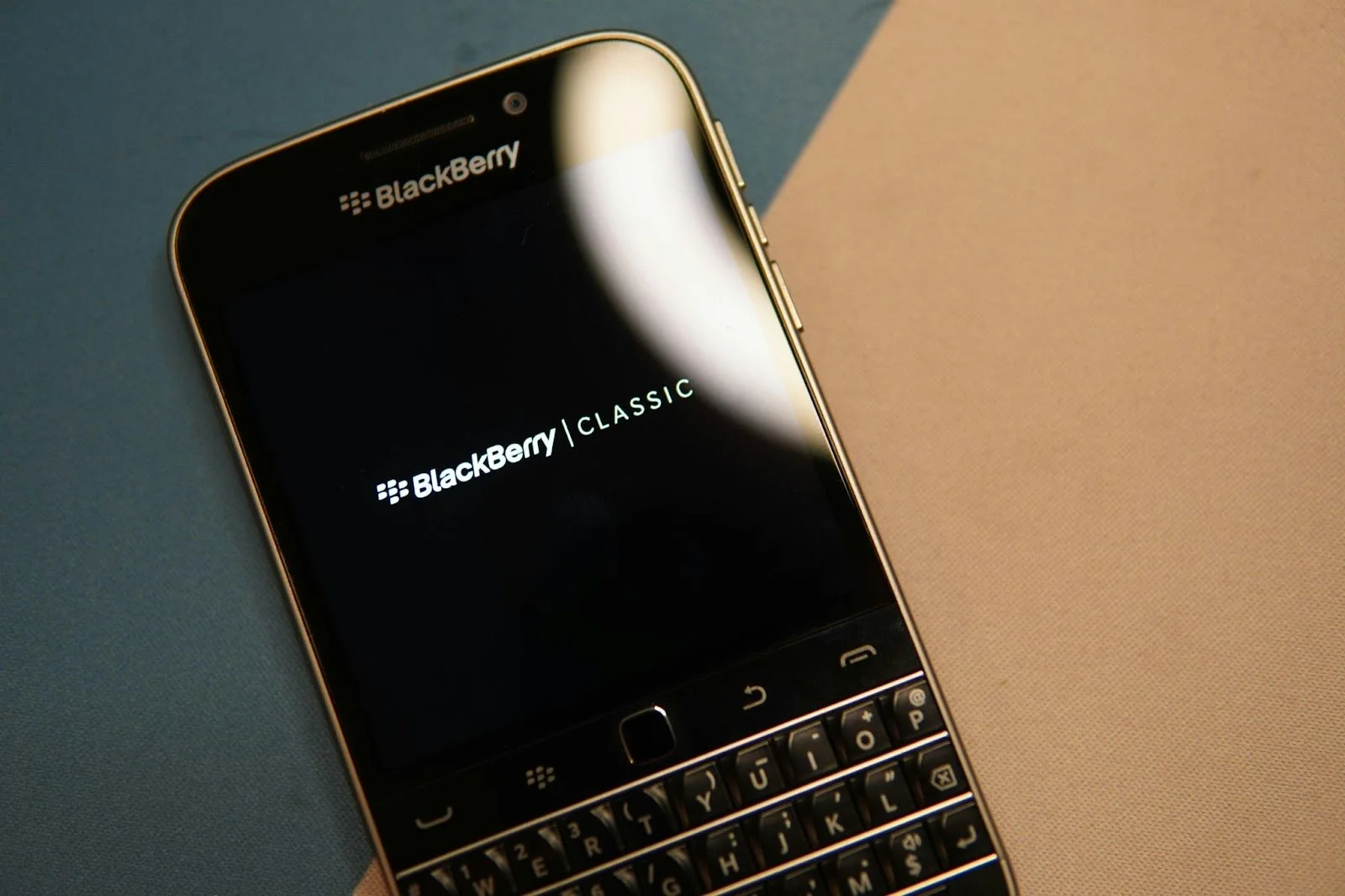
For most Gen Z teens during the early 2000s, we were tiny babies or active toddlers. Our form of social media slang would not come about for a good decade or so. What symbolized social media language from the 2000s was the casual, lighthearted nature of its words. Terms like “chillax dude” or “That’s so sketch” just roll off the tongue so easily. Kids of the early 2000s coined iconic text lingo like “LOL” and “BRB”, which have evolved in later years. While us Gen Z’ers were lying in our cribs and singing along to nursery rhymes, the teens of the early 2000s were clicking their Blackberries away with these popular terms.
The 2010s
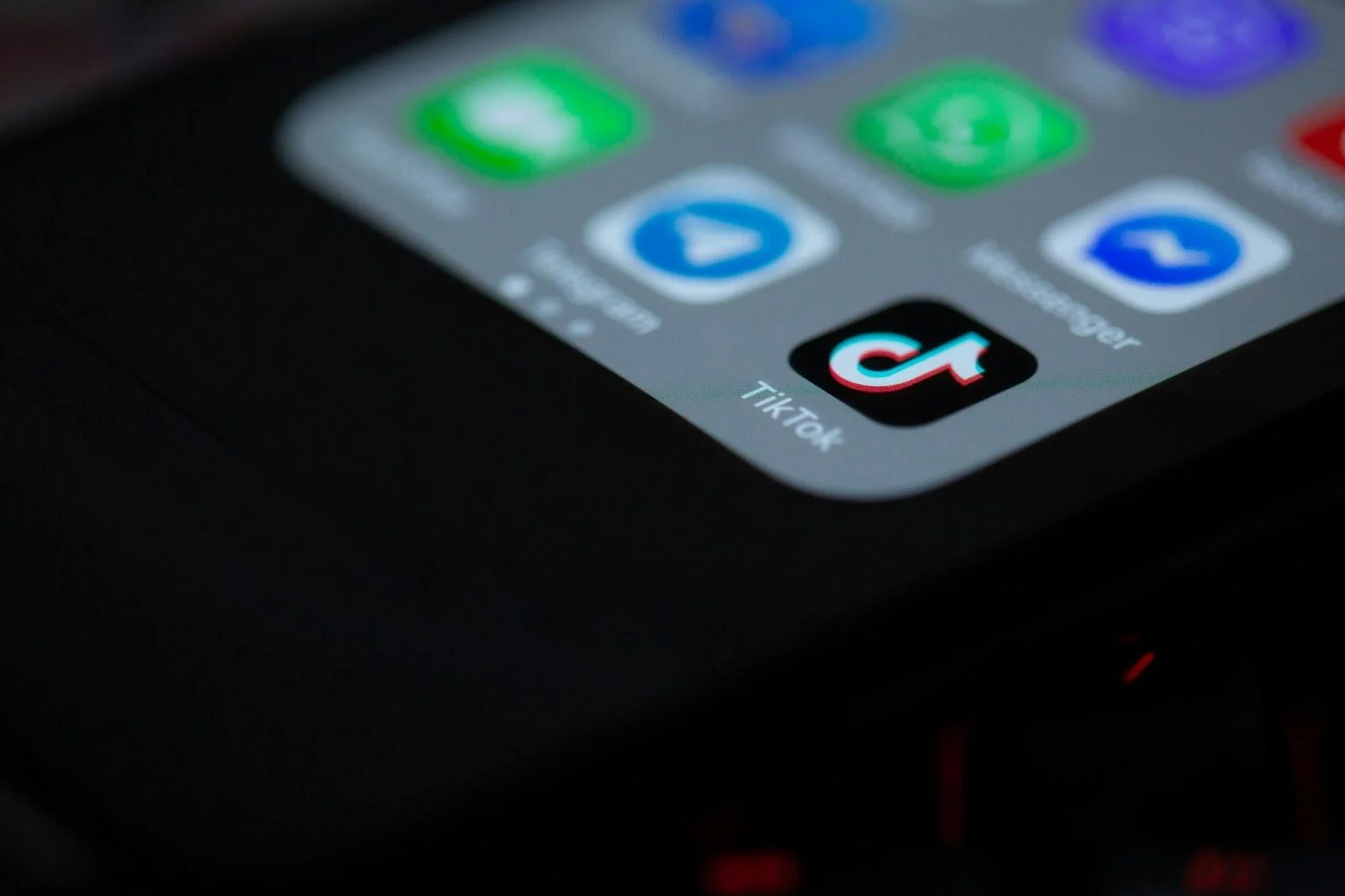
The transformation of social media language from the early 2000s into the 2010s is like day and night. Social media was becoming an integral part of teen’s lives, and the way we communicated online influenced how we spoke in-person. What influenced so much of the slang we used in the 2010s were hit songs that trended on social media platforms like Musical.ly and Dubsmash. These apps had a pull on the teens of the 2010s, as dance trends and lip-syncing defined what it meant to be cool at the time.
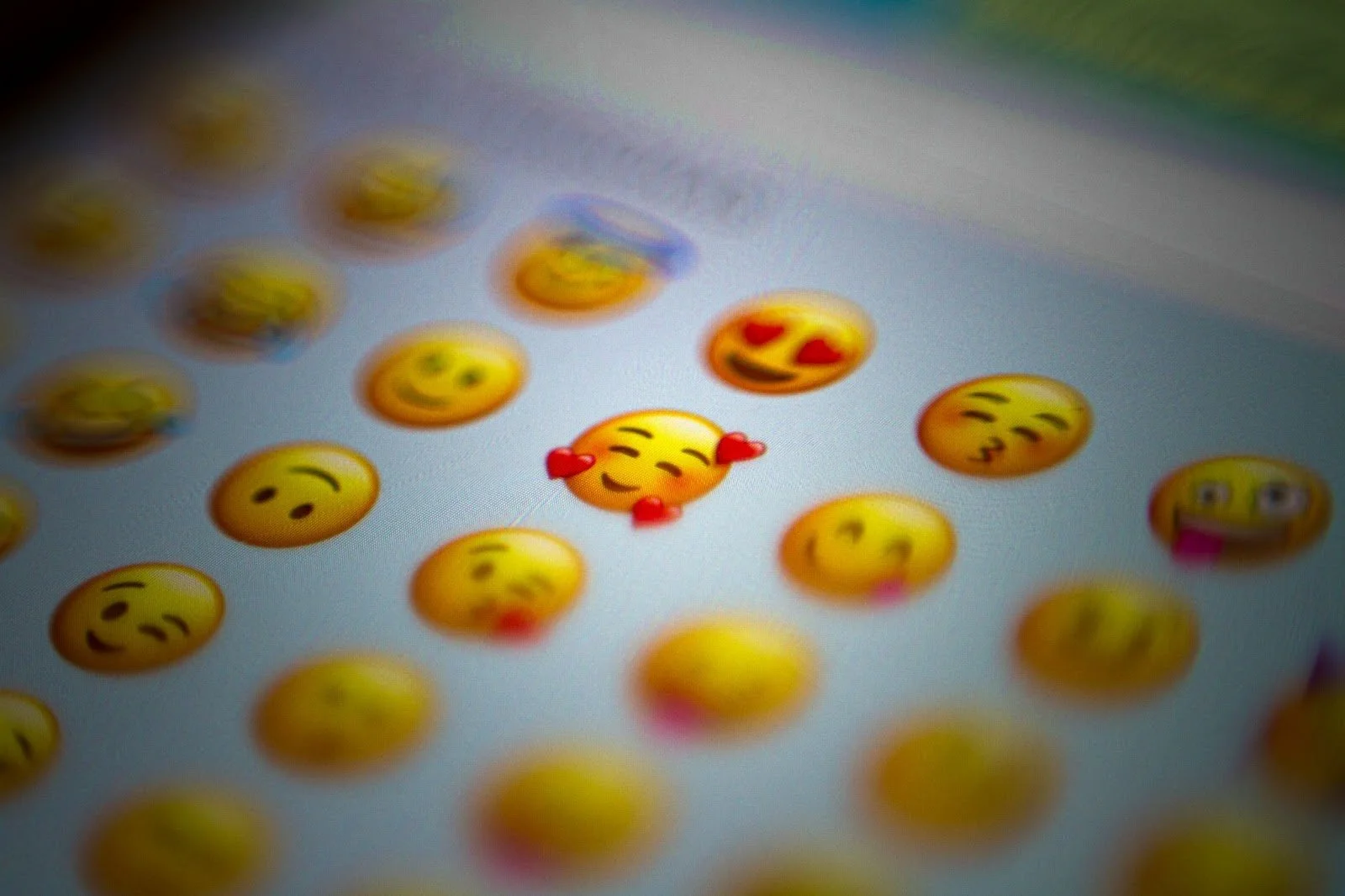
Terms like “lit” and “on-fleek” were commonly used at the time. If you were on social media, then you know the 2010s used slang to describe how people felt more than anything else. Phrases like “I’m dead or I’m weak” were used to describe how funny someone thought something was, rather than their literal meaning. Emojis did the same thing; if you wanted someone to know you were amused, you’d send a skeleton or crying emoji instead of the laughing emoji (and we still do this today)!
Today, the 2020s
The slang of today is a great extension of common terms used in the 2010s. People still refer to lying as “capping” and something fun as “lit” today. What differentiates the slang we use today from those of the earlier years are the intensity of the words used and how it translates to others. We now use words with a particular meaning and alter them into powerful descriptions, compliments, and clever insults. Newer terms like “tuff” and “this eats” are extremely flattering. Being accused of being a “bop” or “hollywood” is not that flattering though…